Step Inside the Colosseum: Where History Comes Alive
Author: Akhirul
Date: 03 Dec, 2025
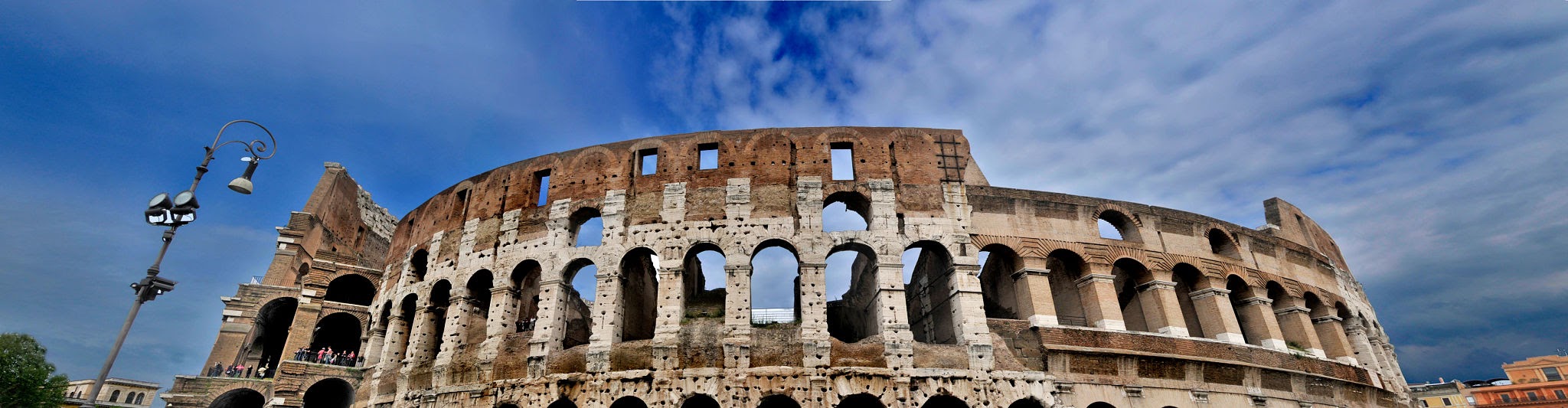
The Colosseum in Rome, Italy: A Timeless Icon of Power, History, and Wonder
The Colosseum—Rome’s most legendary landmark—stands as one of the world’s greatest symbols of ancient engineering, imperial power, and human drama. Nearly 2,000 years after it first opened its doors to roaring crowds, this monumental amphitheater continues to captivate millions of visitors each year. Whether you’re a history lover, architecture enthusiast, or curious traveler, the Colosseum promises an unforgettable glimpse into the grandeur of ancient Rome.
A Monument Built for Spectacle
Construction of the Colosseum began in 72 AD under Emperor Vespasian and was completed in 80 AD by his son Titus. Built on the site of Nero’s former palace, it was a political statement—a gift to the Roman people and a symbol of the empire’s strength.
With a capacity of up to 50,000–80,000 spectators, the Colosseum hosted events such as:
-
Gladiator battles
-
Wild animal hunts (including lions, tigers, bears, and exotic species from across the empire)
-
Public executions
-
Mock naval battles (flooded arena events in the early years)
These spectacles were not just entertainment—they were tools of imperial propaganda, reinforcing Rome’s dominance over both nature and its conquered territories.
Architectural Brilliance Ahead of Its Time
The Colosseum’s design is a masterpiece of ancient engineering. Its elliptical shape, towering arches, and layered columns represent a perfect blend of function and beauty.
Key Architectural Highlights
-
Four levels of arches, each featuring a different classical order
-
A complex system of vaults and corridors that managed massive crowds
-
The hypogeum, an underground network of tunnels where animals, performers, and stage machinery were kept
-
A retractable velarium, a massive awning operated by sailors that provided shade for spectators
Despite earthquakes and centuries of stone theft, the structure remains remarkably intact—an enduring reminder of the skill of Roman builders.
The Colosseum’s Transformation Through Time
After the fall of the Roman Empire, the Colosseum served many purposes:
-
A fortress during the Middle Ages
-
A quarry for building materials
-
A Christian pilgrimage site
-
A symbolic monument of resistance and renewal
Today, it is a UNESCO World Heritage Site and one of the New Seven Wonders of the World, attracting over 7 million visitors annually.
Visiting the Colosseum Today
A modern visit offers the chance to explore both its grandeur and its hidden depths. Most tours include access to:
1. The Arena Floor
Stand where gladiators once fought and imagine thousands of spectators cheering from above.
2. The Hypogeum (Underground)
Discover the eerie, fascinating tunnels that powered the ancient spectacles.
3. The Upper Levels
Enjoy sweeping views of the Roman Forum and the city beyond—especially stunning at sunset.
Tips for Visitors
-
Book tickets online in advance, as same-day availability is limited.
-
Pair your visit with the Roman Forum and Palatine Hill for a full ancient Rome experience.
-
Visit early morning or late afternoon to avoid crowds and harsh sunlight.
Why the Colosseum Still Captivates the World
The Colosseum stands as more than just an ancient ruin—it’s a powerful reminder of humanity’s ability to create, destroy, entertain, and inspire. It embodies the contradictions of Rome: beauty and brutality, innovation and excess, pride and downfall.
Standing before it, you don’t just see stone arches—you feel the echoes of history.
Final Thoughts
A trip to Rome is incomplete without exploring the Colosseum. It’s a place where centuries converge, where legends come alive, and where the achievements—and mistakes—of civilization are carved into every stone. Whether you're gazing up at its massive arches or walking across its ancient arena, the Colosseum promises a journey you’ll never forget.